The Australian Green Metals for Sustainable Steel from Australia and Germany (SuSteel) study is assessing the technical and economic viability of an Australia–Germany green iron and steel value chain, examining opportunities and challenges for supply-chain decarbonisation, and identifying enabling conditions and pathways for implementation that could strengthen industrial capability and grow employment in both countries through shared endeavour. The initiative was announced by the Australian Minister for Climate Change and Energy, the Hon Chris Bowen MP, in September 2024, during the visit of German State Secretary Anja Hajduk and formed part of a broader strengthening of bilateral energy and climate cooperation through an expanded Australia–Germany Energy and Climate Partnership.The work is being led by the University of New South Wales (UNSW) Sydney, supported by the UNSW School of Minerals and Energy Resources Engineering and the ARC Training Centre for the Global Hydrogen Economy (GlobH2E), and Germany’s Fraunhofer IST, with funding provided through the Australian Department of Climate Change, Energy, the Environment and Water (DCCEEW). This work combines technical and economic feasibility assessment with stakeholder engagement, roadmapping and workshops to identify enabling conditions, existing support mechanisms, and pathways to implement the value chain.
The project arrives at a critical juncture as Germany's steel sector faces the twin challenges of reducing carbon emissions whilst maintaining competitiveness amidst rising energy costs. The industry is pivoting towards greener technologies, specifically the use of Direct Reduced Iron (DRI) plants powered by green hydrogen to produce green iron for green steelmaking. This method could cut CO₂ emissions by up to 95% compared to traditional blast furnace techniques, positioning Germany as a leader in green steel production.
Australia, with its abundant iron ore reserves and renewable energy capacity, could supply Germany with both raw iron ore and green hydrogen-or even locally produced green iron or steel-facilitating the creation of a sustainable green metals value chain between the two nations.
The project will assess the technical feasibility of a green metals value chain between Australia and Germany, exploring broader implications for jobs, industry, and energy consumption in both countries. By leveraging Germany's advanced steel manufacturing expertise and Australia's iron ore and renewable energy resources, this collaboration could pave the way for a new era in green iron and steel production, advancing global efforts toward carbon neutrality.
Project Reports & Publications
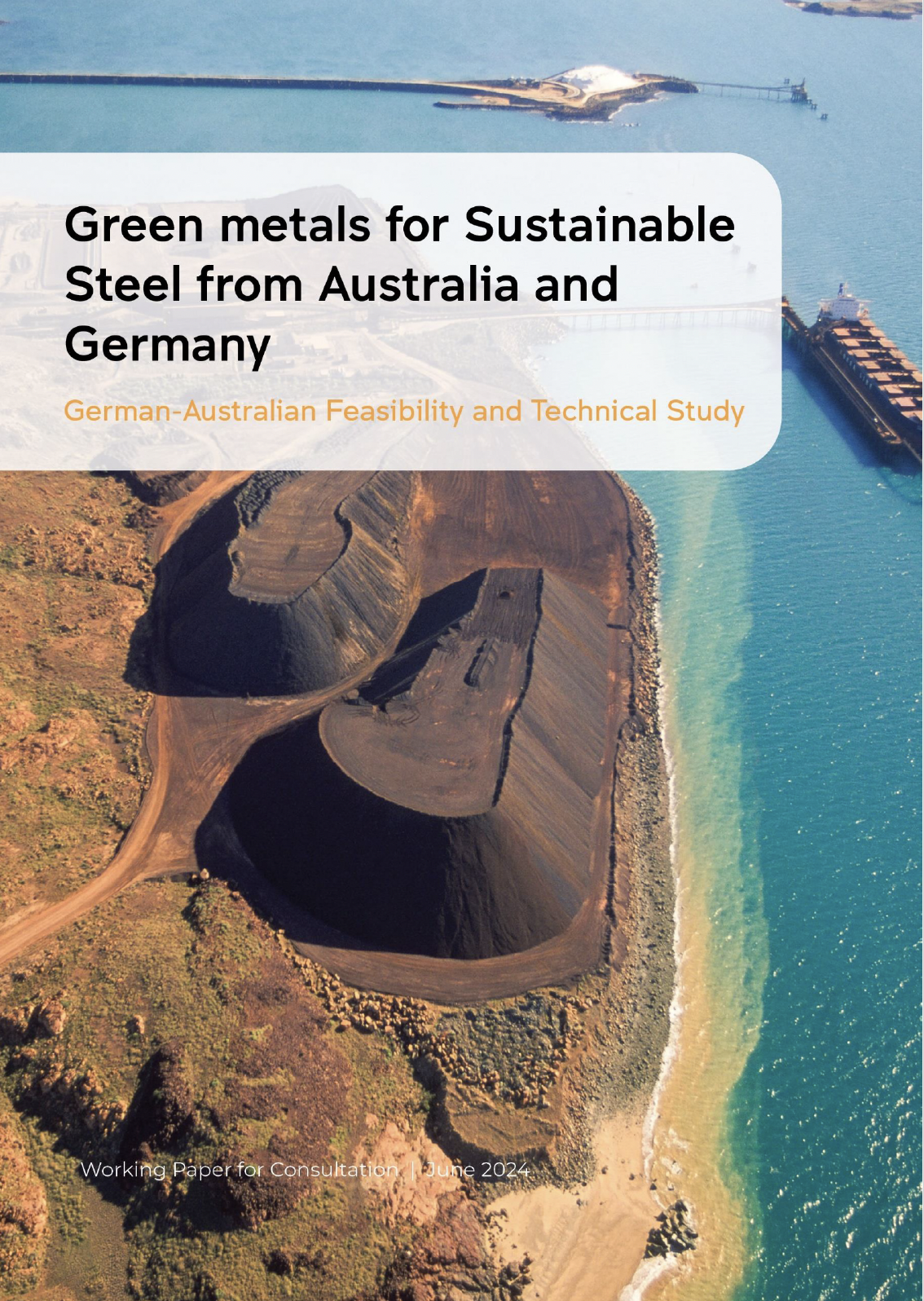
The Case for an Australian Green Iron and Steel Supply Chain to Germany – Version 1 for Consultation
This report highlights the potential opportunities and synergies between Australia and Germany in establishing a green metal supply chain. This report forms the first part of a series of three reports.

Technological Pathways for a Green Iron and Green Steel Supply Chain – Version 1 for Consultation
This report assesses the different technology pathways available for green iron and steel production which could be used in establishing a green metal supply chain between Australia and Germany. This report forms the second part of a series of three reports.
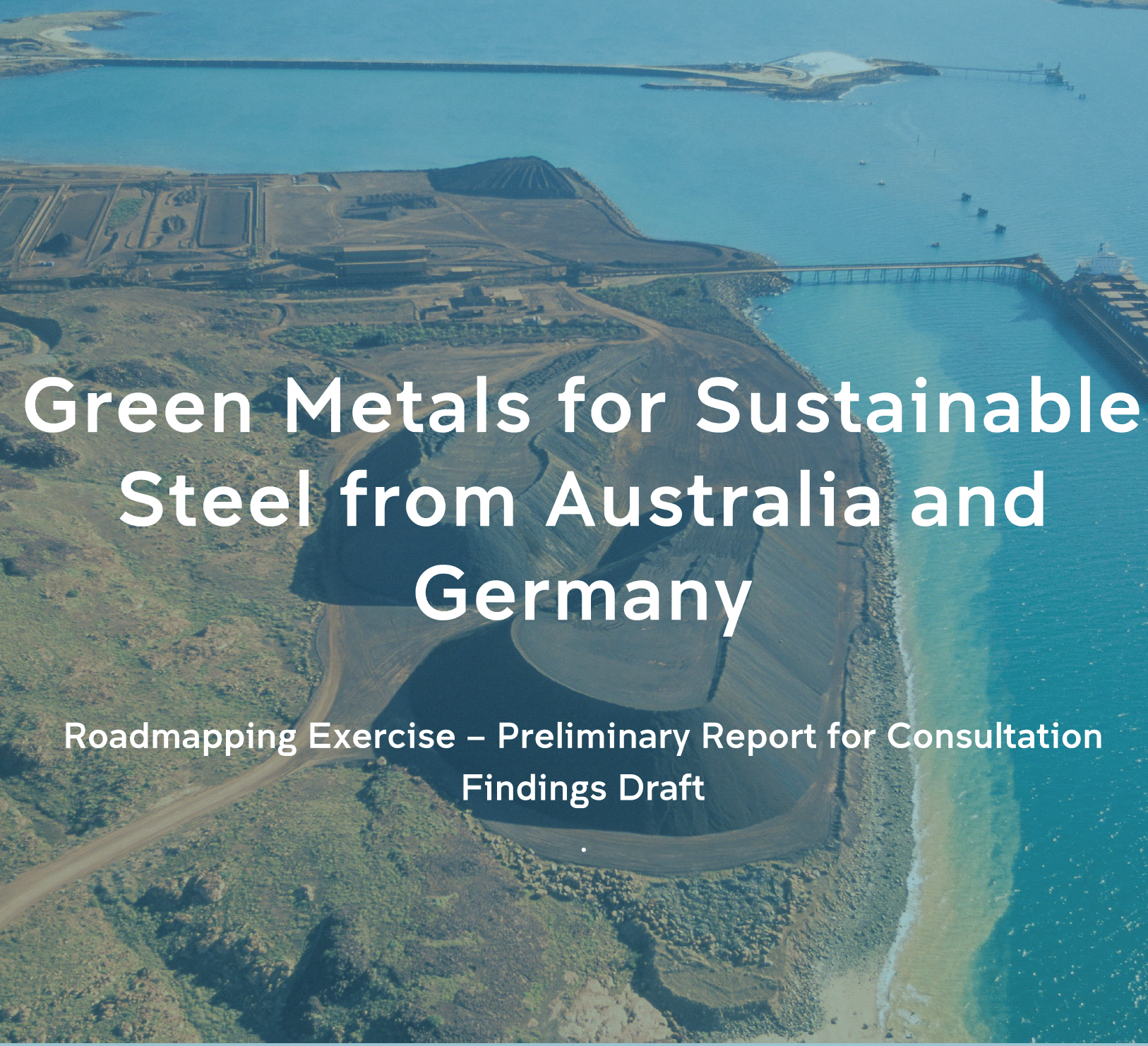
Roadmapping State of Play Report Draft
This report has been informed by stakeholder discussions and outlines the key barriers that must be addressed by both State and Federal Governments, as well as industry, to enable the development and success of emerging green iron and steel industries.

Techno-Economic Modelling of the Australia-Germany Green Iron and Steel Value Chain
This study quantifies the cost, energy, and emissions profiles of alternative green iron and steel production and export pathways between Australia and Germany. Using integrated techno-economic models and stakeholder inputs, it evaluates decarbonisation scenarios from hydrogen and renewable energy export to full domestic green steelmaking, identifying cost-competitive pathways, key infrastructure needs, and policy levers for large-scale deployment.
View ReportGreen Iron & Steel Modelling Tool
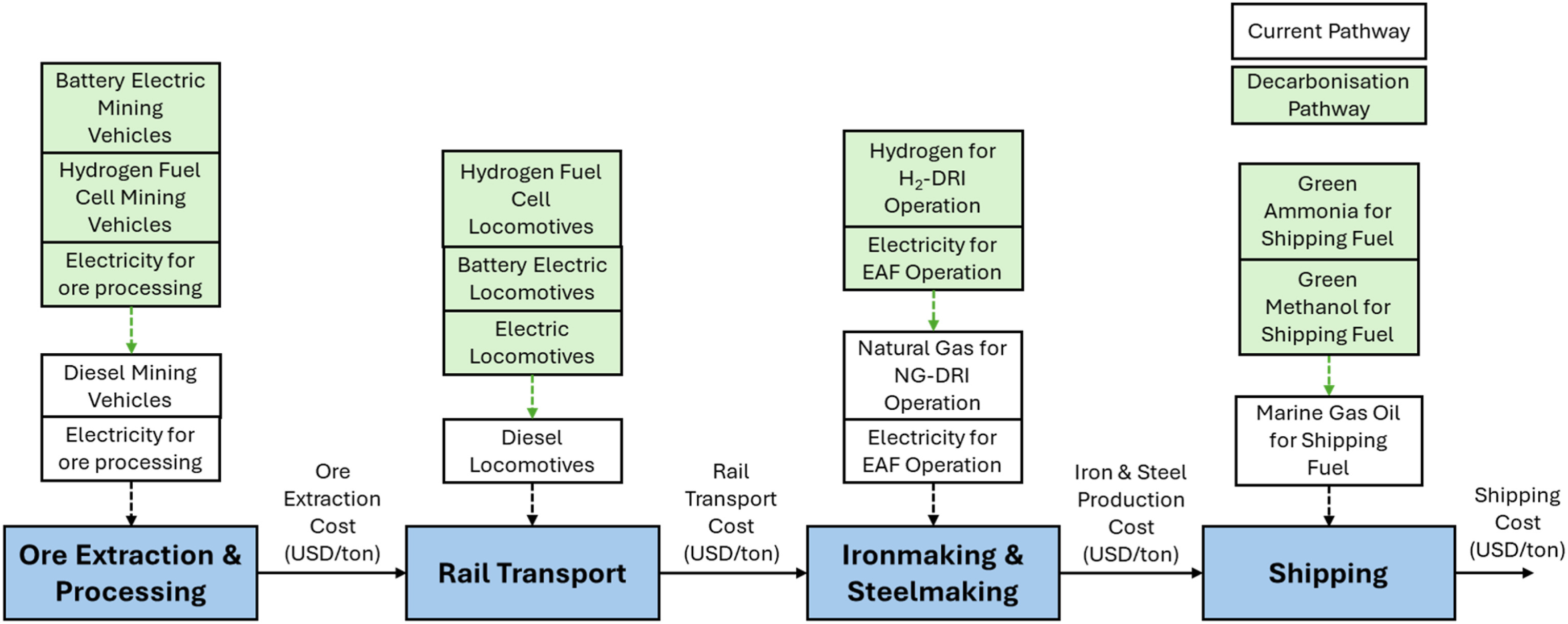
Green Iron and Steel Value Chain Analysis Tool
A globally consistent, transparent, and open-source Excel-based techno-economic modelling tool that quantifies costs, energy use, and emissions across all stages of the green iron and steel supply chain. It enables scenario-based assessment of production, processing, and export pathways under varying technology, energy, and policy settings, providing a unified platform for evaluating the competitiveness and decarbonisation potential of different value chain designs worldwide.
Download Excel ToolChief Investigators

A/Prof Rahman Daiyan


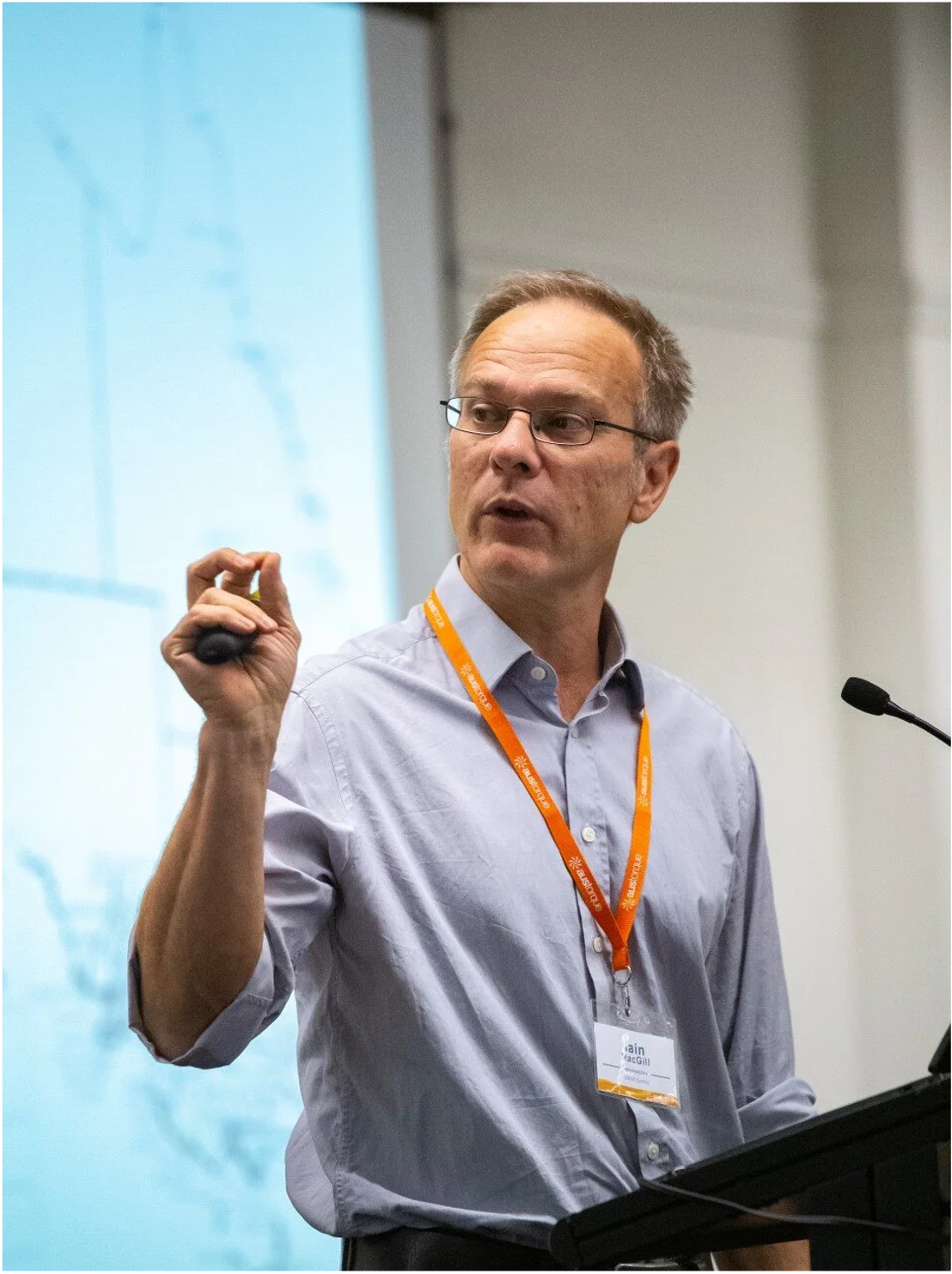
Prof Iain Macgill
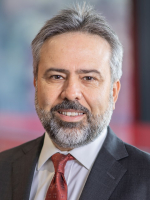
Prof Ismet Canbulat
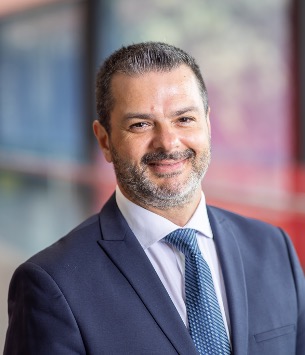
Prof Serkan Saydam
Project Team

Dr Peter Ellersdorfer

Dr Muhammad Haider Ali Khan
Interested in applying our tools to your project?
Talk to us about project scoping, pathway comparison, research collaboration, or decision-support tool development.